
Bitspec
Day 15: When Banking Systems Lag Behind a Borderless World
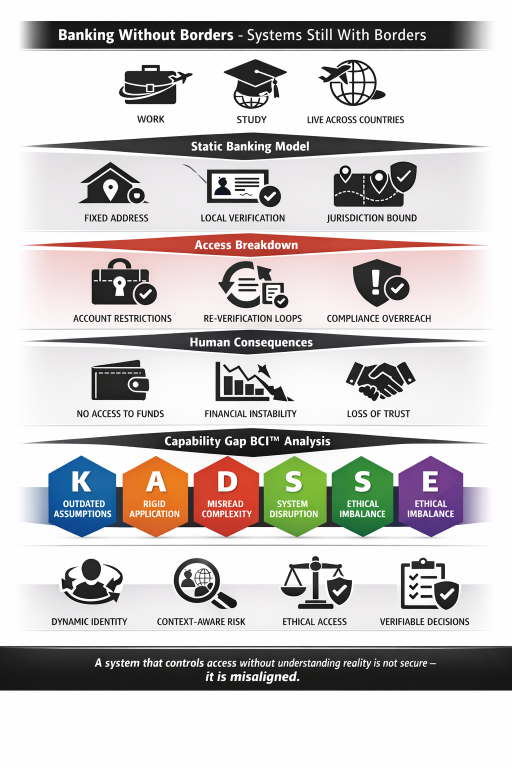
Fig. 1 Generated with ChatGPT version 5.3
-
Introduction
We live in a world where education is digital, work is global, and communication is instantaneous. Yet, when it comes to banking, systems continue to operate as if geography defines identity.
A customer relocates.
A professional works across jurisdictions.
A student studies abroad.
And suddenly, access to their own money becomes conditional.
-
The Illusion of Global Access
Modern systems promote the idea of global access:
- Online banking
- International transfers
- Multi-currency accounts
But access is not a capability.
When a customer moves across borders, the system often fails to follow.
-
The Structural Limitation of Banking Systems
Traditional banking was built on three assumptions:
- The customer has a fixed residence
- The customer operates within one jurisdiction
- Identity is verified through static documentation
These assumptions no longer reflect reality.
Today:
- People live and work globally
- Income flows across countries
- Digital identity is more stable than physical presence
Yet banking systems remain anchored in static models.
-
Where the Failure Occurs
1. Identity Verification Breakdown
Customers are often required to:
- Provide local proof of address
- Re-submit documentation already verified
- Restart compliance processes
This creates a paradox:
The more global the customer becomes, the less verifiable they appear.
2. Risk Models Replace Judgment
Compliance frameworks such as AML and KYC are necessary. However, when applied rigidly, they create systemic barriers.
Accounts may be:
- Frozen
- Restricted
- Closed
Not due to misconduct, but due to the system's inability to interpret complexity.
3. Ownership vs Access
A critical distinction emerges:
- A customer owns their funds
- But may not access them
This is where trust collapses.
A system that restricts access without transparency or resolution is misaligned with its purpose.
-
BCI™ Capability Perspective (Education 6.0)
This issue reflects a capability failure, not just a financial one.
- Knowledge (K): Regulations are understood, but global mobility is not
- Application (A): Rules are applied without contextual adaptation
- Analytical Depth (D): Complexity is misinterpreted as risk
- System Impact (S): Customers face financial and personal disruption
- Ethical Judgment (E): Decisions lack proportionality and fairness
Result:
A system that is compliant, but not capable.-
Human Impact
This is not a minor inconvenience.
It affects:
- Individuals unable to access savings
- Families unable to meet obligations
- Professionals are treated as risks rather than clients
Most critically, many are left without:
- Clear explanation
- Defined timelines
- Accessible resolution pathways
-
Why This Matters Now
As systems become more automated, rigidity increases.
Without capability:
- Automation amplifies inefficiency
- Compliance becomes obstruction
- Trust erodes
-
What Must Change
1. Dynamic Identity Systems
Verification must follow the individual, not the location.
2. Interpretable Risk Models
Complexity must not be treated as inherent risk.
3. Access as a Protected Right
Temporary restrictions must include:
- Clear justification
- Defined timelines
- Resolution pathways
4. Operational Ethics
Ethics must be measurable and embedded in decision systems.
-
Final Reflection
Access creates participation.
Systems create structure.
Capability creates fairness.
Verification creates trust.The future of banking is not digitalization alone.
It is aligned with human mobility, capability, and rights.
An article blog written with ChatGPT version. 5.3 support April 20, 2026
When you subscribe to the blog, we will send you an e-mail when there are new updates on the site so you wouldn't miss them.
