
Bitspec
Deepfakes: The Trust Crisis in the Age of Artificial Intelligence
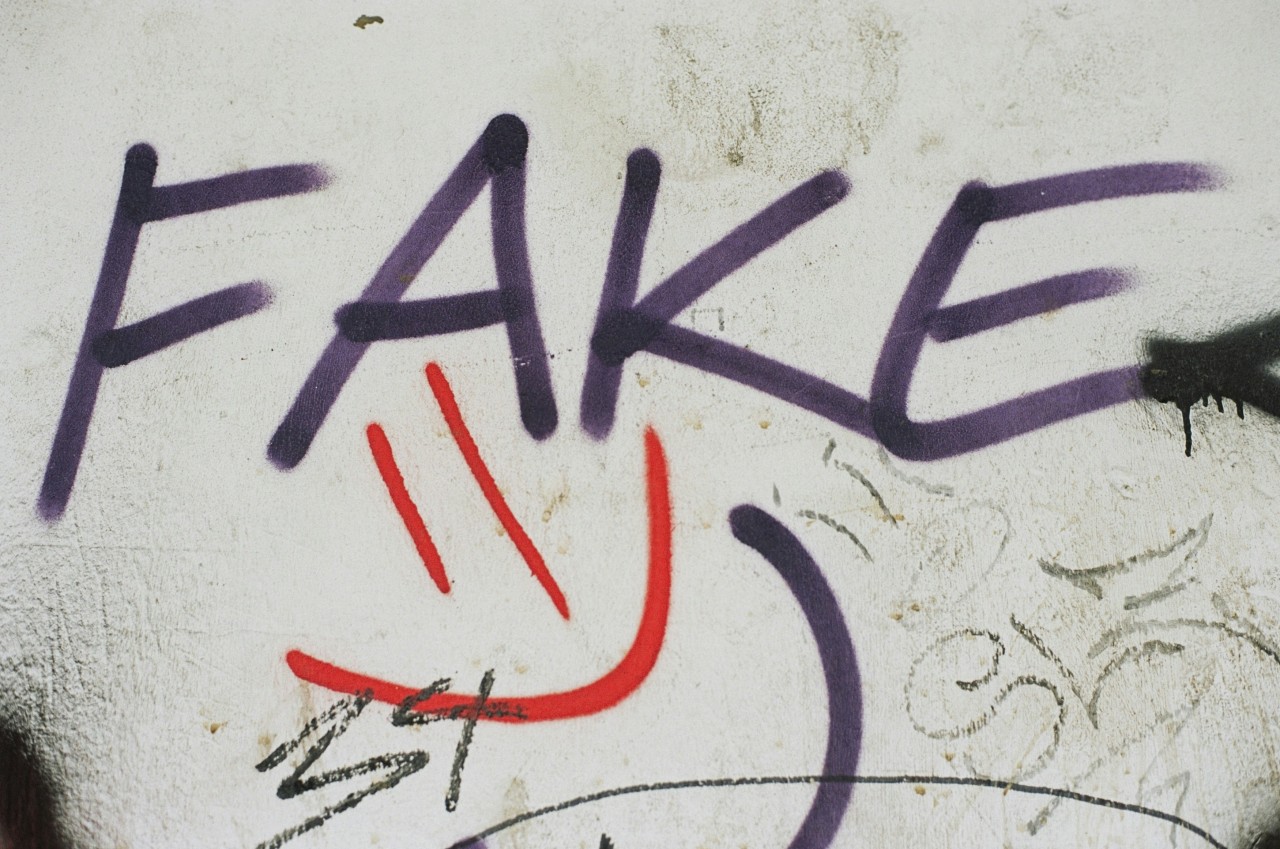
In December 2025, we face one of the most alarming challenges of artificial intelligence: deepfake technology. We're no longer talking about simple fake images or amusing celebrity videos. Deepfakes have evolved into a sophisticated weapon of corporate fraud, political manipulation, and cybercrime that threatens to undermine society's very ability to distinguish reality from fiction.
The Explosive Scale of the Problem
The numbers are staggering and deeply concerning. The volume of deepfake files distributed online has surged from 500,000 in 2023 to approximately 8 million in 2025. Fraud attempts using this technology increased by 3,000% in 2023, and Deloitte predicts that AI-enabled fraud losses in the United States will reach $40 billion by 2027.
In the second quarter of 2025, 487 deepfake attacks were documented, representing a 41% increase from the previous quarter, with losses of approximately $347 million in just three months. Attacks now occur every five minutes, transforming what seemed like a futuristic concept into a concrete, daily threat.
Cases That Redefine the Threat
One of the most shocking recent examples is the case of engineering firm Arup in Hong Kong. In January 2024, an employee in the finance department participated in a video conference with several colleagues, including the company's chief financial officer from the United Kingdom. The discussion seemed normal, the subject was legitimate - a confidential acquisition - and the participants were familiar. The employee authorized 15 transfers totaling $25.5 million. All participants in the call were deepfakes. Not a single real person had participated in that meeting.
This case demonstrates how sophisticated attacks have become. We're no longer talking about static photographs or videos you can carefully analyze. We're talking about real-time interactions, convincing conversations, precise replication of a person's mannerisms and voice.
The Invisible Victims: Those Who Suffer in Silence
Beyond large-scale corporate fraud, there's a more insidious and personal epidemic. In 2025, the Internet Watch Foundation documented 210 web pages with deepfakes of child sexual abuse in the first half of the year - a 400% increase over the same period in 2024. More alarmingly, 1,286 videos with abusive sexual content were reported, of which 1,006 were so realistic they couldn't be distinguished from images of real children.
Politicians, especially women, have become frequent targets. Over 30 high-profile British female politicians were targeted with sexually explicit deepfake content ahead of the UK general election. In Taiwan, during and after the 2024 presidential election, deepfakes were used to discredit political leaders, fabricating private conversations and even explicit sexual videos to destroy reputations.
Why Are We So Vulnerable?
The fundamental problem with deepfakes isn't just technological - it's profoundly human. Research confirms that humans cannot consistently identify AI-generated voices, often perceiving them as identical to those of real people. The human detection rate for high-quality deepfake videos is only 24.5%.
But our vulnerability goes even deeper. Deepfake attacks exploit our strongest human instincts. When we hear a child's voice in distress, when we see a family member in trouble, we don't stop to authenticate the video source. We react emotionally and impulsively - exactly what attackers are counting on. Even the most security-conscious executives become vulnerable when the attack becomes personal.
There's also a dangerous paradox called the "liar's dividend": in the world of deepfakes, authentic content can be dismissed as fake. This ability to deny authentic recordings creates an impossible situation where neither belief nor disbelief in evidence can be justified.
Solutions and Our Future
Organizations are responding by implementing robust verification protocols and investing in AI-based detection systems. Companies like Reality Defender and Resemble AI are developing technologies that can identify synthetic content, even when it's modified or compressed. The challenge is that detection systems must constantly evolve, as attackers continuously improve their techniques.
From a legislative standpoint, progress is remarkable but uneven. In May 2025, the United States enacted the TAKE IT DOWN Act, the first federal law criminalizing the distribution of non-consensual intimate images, including deepfakes. Denmark proposed an amendment to its copyright law that would give people rights to their own face and voice. California, New York, Texas, and Minnesota have adopted specific laws against deepfakes, especially in electoral and sexual content contexts.
UNESCO emphasizes that education must go beyond simple technical detection, teaching students to navigate truth, knowledge, and AI-mediated uncertainty. We're not just facing a crisis of disinformation, but a crisis of knowing itself - deepfakes don't just introduce lies into the information ecosystem, they erode the mechanisms by which societies construct shared understanding.
Conclusion: A Society That Doesn't Know What's Real Cannot Self-Govern
Deepfakes represent more than a technological challenge - they're an existential threat to social trust, democracy, and our ability to function as a society. In a world where anyone can fake reality at industrial scale, the foundations upon which governance, justice, commerce, and human relationships are based are seriously compromised.
The solution requires coordinated and immediate action: organizations implementing strict verification protocols, technology companies prioritizing the development of adaptive detection systems, governments creating comprehensive legislative frameworks, and citizens educated to think critically about the content they consume.
The ability to detect dangerous AI is no longer optional - it's existential. And the responsibility to preserve trust in the age of deepfakes belongs to all of us.
When you subscribe to the blog, we will send you an e-mail when there are new updates on the site so you wouldn't miss them.
